Key takeaways
Autism therapy in Lombard, IL — at a glance
- • Autism Brain Mapping (qEEG) reveals the specific neural patterns behind communication, regulation, focus, and sensory challenges — so treatment is targeted, not guessed.
- • Personalized TMS is non-invasive, drug-free, and built from your child's brain map. (FDA-cleared for adult depression, anxious depression, and OCD; autism applications are off-label, physician-supervised.)
- • Autism Treatment in Lombard at Reign-Bow serves families across DuPage County and the western Chicago suburbs.
- • Serving Chicagoland families since 2022. Consultations by appointment only.
Autism is not a behavior problem to be managed — it is a difference in how the brain is wired, processes input, and regulates itself. At Reign-Bow Treatment Center in Lombard, IL, our team uses qEEG brain mapping to see exactly where neural communication is dysregulated, then designs a personalized, drug-free TMS therapy plan to support the specific networks involved in your child's symptoms. The result is care that targets the biology underneath communication, emotional regulation, focus, anxiety, mood, and sleep — instead of just the surface behaviors.
What autism actually looks like in the brain
Autistic brains are not "broken" — they are differently connected. qEEG studies consistently show atypical connectivity in the default mode network (involved in social cognition), differences in sensory processing regions, altered theta and high-beta activity in frontal areas, and connectivity gaps between the prefrontal cortex and the limbic system. These patterns help explain why an autistic child can be brilliant in one moment and overwhelmed in the next: the regulation networks that normally smooth the gap between input and response are working differently.
When we map your child's brain, we can see these patterns directly. Instead of guessing whether a meltdown was "behavioral" or "sensory," we can show you the neurological signature behind it — and design a treatment plan that targets it.
Brain Networks Commonly Evaluated During qEEG Brain Mapping
qEEG helps identify patterns of brain activity that may contribute to communication, focus, emotional regulation, sensory processing, and behavior.
Sensory Cortex
Sensory integration, auditory processing, visual processing, and sensory modulation.
Prefrontal Cortex
Executive function, focus, attention, impulse control, planning, and emotional regulation.
Limbic System
Emotion regulation, anxiety response, motivation, mood stability, and stress processing.
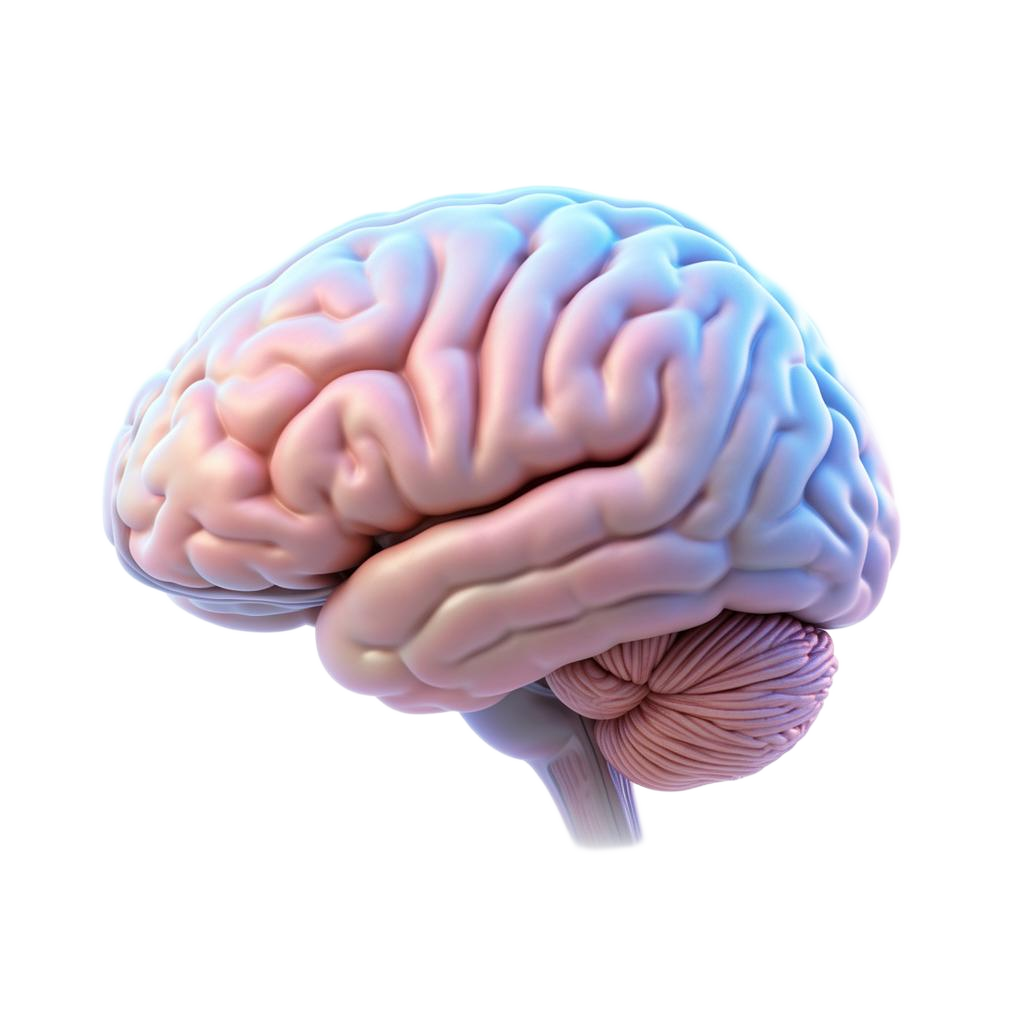
Temporoparietal Junction
Social awareness, communication, perspective taking, and social cognition.
Cerebellum
Motor coordination, timing, procedural learning, and supporting connectivity.
Communication: building the neural foundation for language and connection
Joint attention and social prediction
Communication is not just speech — it is the rapid back-and-forth coordination of attention, prediction, emotion, and motor planning. Many autistic children have the words but struggle to deploy them in real time because the networks supporting joint attention and social prediction are under-coordinated.
Why regulation gains unlock language
qEEG-guided care often targets frontal and temporal regions involved in language fluency and social cognition. As regulation improves and sensory load decreases, families regularly notice longer eye contact, more spontaneous speech, richer pretend play, and the willingness to stay in a conversation that used to end abruptly. Communication gains tend to follow regulation gains — when the brain is no longer in survival mode, it has bandwidth for connection.
Emotional regulation and autism meltdowns
Meltdowns are a stress response, not defiance
A meltdown is not a tantrum. A tantrum is goal-directed; a meltdown is the brain's protective stress response when the regulation system is overloaded. Autistic children often live closer to that overload threshold because sensory input is louder, transitions are sharper, and unmet expectations land harder.
What the qEEG often shows
On a qEEG, dysregulation often shows up as excess high-beta activity in frontal regions, frontal alpha asymmetry, or under-connected prefrontal–limbic networks. Targeted TMS protocols can help these networks come back into balance. Many families report that within the first 4–8 weeks of treatment, meltdowns become less frequent, less intense, and shorter to recover from. For a deeper dive, see our page on emotional regulation therapy.
Talk with our team about autism therapy in Lombard
Verify your insurance benefits or request a consultation — most families hear back within one business day.
Focus, attention, and co-occurring ADHD
Roughly half of autistic children also meet criteria for ADHD. The same prefrontal circuits that regulate attention also regulate emotion and impulse control, which is why autism focus problems and emotional reactivity so often travel together. qEEG can distinguish whether attention dysregulation, emotional dysregulation, or both are driving symptoms — and the plan adjusts accordingly.
For families navigating both diagnoses, our ADHD focus support program integrates seamlessly with autism care. Children often gain steadier attention for schoolwork, smoother transitions, and the ability to finish what they start.
Anxiety in autism
Anxiety is one of the most common — and most overlooked — features of autism. Many autistic children live with a constantly elevated baseline of arousal because the world is unpredictable and sensorially intense. On qEEG, this often appears as elevated high-beta activity in frontal regions and disrupted alpha rhythms.
TMS protocols that calm hyperactive frontal networks can reduce the physiological "noise" behind anxiety without medication. As anxiety eases, you may notice fewer avoidance behaviors, more willingness to try new foods or activities, less rigidity around routines, and a child who looks more relaxed in their own body. See our anxiety treatment page for more.
Depression and mood challenges in older children, teens, and adults
By adolescence, many autistic individuals carry years of feeling misunderstood, masked, or out of step with peers. Depression is common — and it is real. qEEG findings in depression often include frontal alpha asymmetry and disrupted connectivity in mood-regulation networks. Targeted, drug-free TMS protocols can support these networks directly.
For autistic teens and adults, our depression treatment program is delivered with the sensory-friendly, neurodiversity-affirming approach we use across the clinic.
Sleep challenges and the autistic brain
Sleep problems are reported by a large proportion of autistic children — published reviews put the figure as high as 80%. The same regulation networks that struggle during the day also struggle to power down at night. On qEEG, we often see elevated arousal patterns that should not be present at sleep onset.
Brain-based care addresses sleep at its source. As regulation networks normalize, many families report faster sleep onset, fewer night wakings, and a child who wakes more rested — which in turn improves daytime behavior and learning. Learn more on our sleep disorder treatment page.
Autism Brain Mapping: how qEEG changes the plan
What a qEEG records
A qEEG records 19+ channels of brain electrical activity for about 20 minutes — eyes open, eyes closed, and sometimes during a brief task. Software compares the recording to a normative database matched to your child's age, producing color-coded maps that show which regions and frequencies are over- or under-active. This is the foundation of autism brain mapping at Reign-Bow.
The brainwave bands we look at
For autism specifically, we look at: default mode network connectivity, frontal high-beta and theta patterns, alpha asymmetry, theta/beta ratios, and prefrontal–limbic coherence. These findings turn vague symptoms into specific treatment targets — and let us measure neurological change over time. Read more about what brain mapping is and how it is used.
Personalized TMS therapy for autism
Transcranial Magnetic Stimulation uses focused magnetic pulses to modulate activity in specific brain regions. For autism, protocols are individualized based on the qEEG — there is no universal "autism protocol." Common targets include the dorsolateral prefrontal cortex, temporoparietal regions involved in social cognition, and networks involved in sensory integration.
TMS is non-invasive and does not require sedation. It is FDA-cleared for adult depression, anxious depression, and OCD; pediatric and autism use is considered off-label and is delivered under physician oversight. Sessions are brief (typically 20–40 minutes), child-friendly, and most patients return to normal activities immediately. See our personalized brain stimulation programs for details on how protocols are built and adjusted.
What parents tend to notice over a treatment course
- Calmer, more regulated baseline mood
- Faster recovery from upset — minutes instead of hours
- Longer and warmer eye contact, more spontaneous initiation
- Improved attention at school and during homework
- Reduced sensory overwhelm in busy environments
- Smoother transitions between activities and settings
- Easier sleep onset and fewer night wakings
- Less rigidity around routines and foods
- More flexibility and willingness to try new things
- A family system that feels less braced for the next crisis
Read real stories from local families on our patient testimonials page.
The Reign-Bow treatment process
Every family starts with a consultation, followed by a qEEG brain map, physician review, and a personalized plan. Treatment sessions are spaced over several weeks with built-in progress checks, and we perform a follow-up qEEG to confirm neurological change before recommending the next phase. See the full 8-step treatment process.
Treatment journey
From first call to follow-up qEEG
A typical brain-based care course at Reign-Bow. Exact timing varies with severity, age, and co-occurring conditions.
- Step 1
Consultation
Week 0
Talk through goals, history, and what you've already tried.
- Step 2
Insurance Verification
Week 0–1
Benefits checked; written estimate within one business day.
- Step 3
qEEG Brain Map
Week 1
20-minute, non-invasive recording compared to age-matched norms.
- Step 4
Physician Review
Week 1–2
Findings reviewed in plain language; protocol designed.
- Step 5
Personalized TMS
Weeks 2–10
Brief weekday sessions tailored to your brain map.
- Step 6
Follow-up qEEG
Week 12
Re-mapping confirms neurological change and next phase.
Serving Chicagoland families since 2022.
Autism therapy near me — serving DuPage County and the Chicago suburbs
Reign-Bow Treatment Center is based in Lombard, IL and provides autism therapy in DuPage County for families across the western Chicago suburbs. If you are searching for "autism therapy near me" or "autism treatment Lombard," our team welcomes patients from each of the communities below. Consultations are by appointment only. Call 630-448-2721 or email info@reignbowtreatmentcenter.com to schedule.
Insurance and getting started
Many BCBS, Aetna, Cigna, and United Healthcare plans cover some or all of qEEG and TMS components. We verify benefits before treatment and send a written estimate within one business day. Submit our insurance verification form or request a consultation to begin.
Talk with our team about autism therapy
Verify your insurance benefits or request a consultation — most families hear back within one business day.
Frequently asked questions
›What is qEEG-guided autism therapy?
qEEG-guided autism therapy uses a quantitative EEG brain map to identify which neural networks are over- or under-active, then designs a personalized, drug-free treatment plan — typically Transcranial Magnetic Stimulation (TMS) — to address those specific regions. Instead of treating autism with a one-size-fits-all protocol, every plan at Reign-Bow is built around the individual brain.
›Is TMS therapy safe for children and teens with autism?
TMS is non-invasive, drug-free, and well-tolerated. There is no sedation, no needles, and no recovery time. TMS is FDA-cleared for adult depression, anxious depression, and OCD; pediatric and autism applications are considered off-label and are delivered under physician oversight with personalized, qEEG-guided protocols. The most common side effect is mild scalp sensation that fades within minutes.
›Can therapy actually help with autism meltdowns?
Meltdowns are a nervous-system response to overload, not behavioral defiance. When qEEG identifies dysregulated frontal-limbic networks behind that overload, targeted TMS protocols can help the regulation system come back online. Many families report fewer, shorter, and less intense meltdowns within the first 4–8 weeks of treatment.
›Will treatment help my child talk more or communicate better?
Many parents report improved eye contact, more spontaneous speech, longer attention to shared activities, and richer back-and-forth interaction. Communication gains often follow regulation gains — when a child is less overwhelmed sensorially and emotionally, the brain has more bandwidth for language and connection.
›How long does an autism treatment course take?
Most patients complete an initial course in 6–12 weeks of brief weekday sessions. We then perform a follow-up qEEG to confirm neurological change and decide whether to taper, maintain, or extend treatment. Severity, age, and co-occurring conditions like ADHD, anxiety, or sleep disorders affect the timeline.
›What age groups do you treat?
We work with autistic children as young as six, teens, young adults, and adults. Family coaching is included in pediatric plans because a regulated environment supports a regulating brain.
›Does insurance cover autism therapy at Reign-Bow?
Many BCBS, Aetna, Cigna, and United Healthcare plans cover some or all of qEEG and TMS components. We verify benefits before treatment — submit our insurance form and we will send a written estimate within one business day.
›Do you serve families outside of Lombard?
Yes. We serve Lombard, Naperville, Oak Brook, Elmhurst, Wheaton, Downers Grove, Glen Ellyn, Hinsdale, and surrounding Chicagoland communities. Consultations are by appointment only — call 630-448-2721 or email info@reignbowtreatmentcenter.com to schedule.
›Is this a replacement for ABA, speech, or occupational therapy?
No. qEEG-guided care is a complement, not a replacement. Many of our families continue ABA, speech, OT, or school services while in treatment. Because we address the underlying brain dysregulation, families often report that those other therapies become more effective.
›What does a typical first visit look like?
The first visit is a clinical consultation and qEEG brain map. The cap is painless, the recording takes about 20 minutes, and your child can watch a quiet video. Within a week, our physicians review the map with you and propose a personalized treatment plan.