
Brain Mapping First
Every plan starts with a qEEG to see the patterns driving symptoms — not a generic protocol.
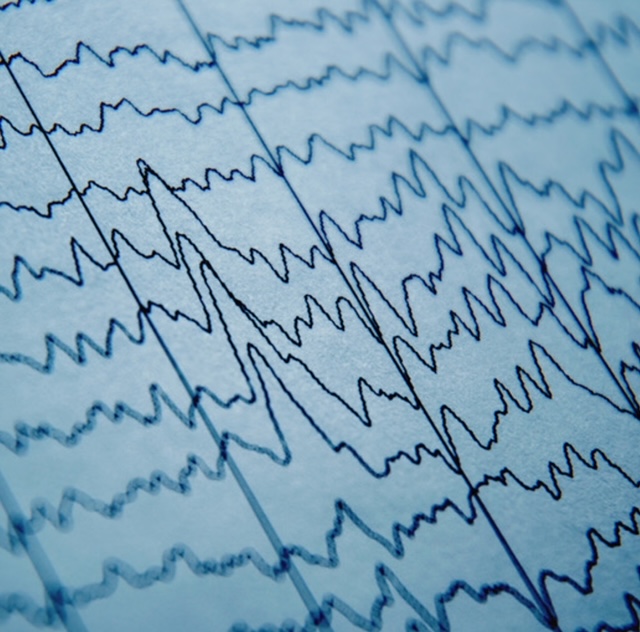
Most clinics use the same protocol for everyone. At Reign-Bow, every treatment begins with qEEG brain mapping to identify the patterns driving symptoms and create a personalized plan — including Autism Treatment in Lombard.
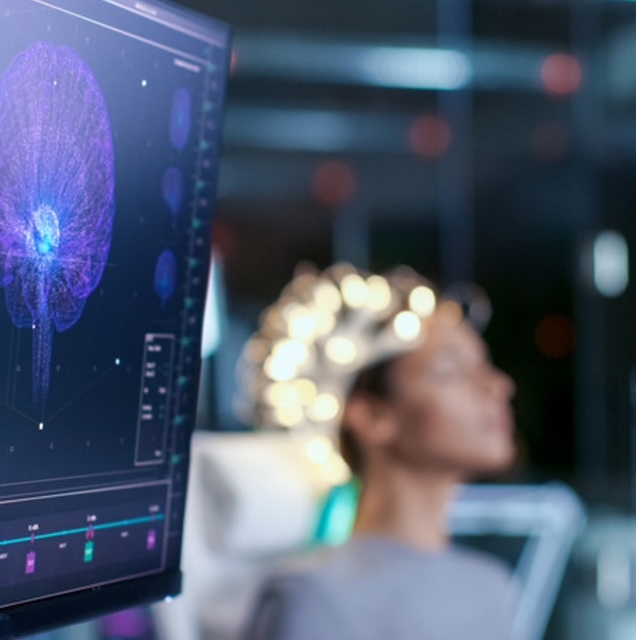
Transcranial Magnetic Stimulation (TMS) is an FDA-cleared treatment that uses gentle, focused magnetic pulses — the same type of magnetic field used in an MRI — to stimulate or quiet specific regions of the brain. It is non-invasive, drug-free, and performed in our Lombard, IL office while you sit comfortably in a reclined chair. There is no anesthesia, no sedation, no IV, and no recovery time. You can read, listen to music, or simply close your eyes during each session, then drive yourself back to work or home immediately afterward.
The reason TMS has become one of the most important advances in modern psychiatry is simple: it works directly on the brain circuits involved in mood, attention, anxiety, sleep, and emotional regulation. Medications work systemically and affect the whole body. Talk therapy works through learning, insight, and behavior change. TMS works at the level of the circuit — restoring more typical patterns of activity in the exact regions that current research has identified as central to a given condition.
At Reign-Bow Treatment Center, we go one step further. Most TMS clinics use the same coil placement and the same frequency on every patient, because the FDA-approved protocols are written that way. We use those same FDA-cleared protocols as a starting point — and then personalize coil placement, frequency, and treatment targets based on your individual qEEG brain map. Two patients with the same diagnosis can have very different brain activity. Care should reflect that. qEEG brain mapping is what makes that personalization possible.
TMS isn't right for everyone. It is most often considered when symptoms have persisted despite a reasonable trial of therapy and/or medication — or when medication side effects make continuing impractical. If several of the descriptions below sound familiar, brain-mapped TMS may be worth a conversation.
Low mood, loss of interest, fatigue, sleep disruption, and difficulty concentrating that haven't fully responded to one or more antidepressants. TMS is FDA-cleared for major depressive disorder and is one of the most studied non-medication options for treatment-resistant depression.
Depression Treatment Lombard IL →Hyperarousal, racing thoughts, restlessness, social anxiety, and panic episodes that interfere with daily life. qEEG often reveals specific elevated-beta and limbic hyperarousal patterns that TMS protocols can target.
Anxiety Treatment Lombard →Hyperstartle, intrusive memories, emotional numbing, sleep disruption, and avoidance — particularly when therapy alone hasn't fully resolved the nervous-system pattern underneath. We work with veterans, first responders, and trauma survivors.
PTSD Therapy Lombard →Difficulty initiating tasks, sustaining attention, organizing, and finishing what you start — especially when stimulant medication has caused side effects or isn't a fit. qEEG-guided TMS targets the specific attention networks involved.
ADHD Treatment Lombard IL →Sensory overload, emotional reactivity, and connectivity-related challenges in autistic children, teens, and adults. Care is family-centered and grounded in current neuroscience. See our Autism Therapy in Lombard, IL page for details.
Lingering brain fog, fatigue, sleep changes, mood shifts, and cognitive slowing after concussion or mild traumatic brain injury — when standard rest-and-recover protocols haven't fully resolved symptoms.
TBI Treatment Lombard IL →Standard TMS protocols are built around the "average" patient with a given diagnosis. That works — sometimes. But the brain doesn't read your chart. Two patients with the same diagnosis can have meaningfully different qEEG signatures, and treating them identically leaves clinical results on the table.
A quantitative EEG (qEEG) records electrical activity from 19 standardized sites across the scalp, then compares your activity to age-matched normative databases across multiple frequency bands — delta, theta, alpha, beta, and gamma. The output is a map: which regions are over-active, which are under-active, and how connectivity between regions compares to what is typical.
That map is what informs your TMS plan. Coil placement, frequency, and treatment targets are selected to address the patterns actually present in your brain — not the average pattern in a clinical trial. Throughout treatment we re-measure with standardized symptom scales and, where clinically appropriate, a follow-up qEEG, so adjustments are data-informed rather than guesswork.
Your brain activity is compared to age-matched databases — not interpreted in isolation.
Activity is mapped across 19 standardized sites and multiple frequency bands.
Coil placement and frequency are selected based on your specific patterns.
You stay awake, alert, and able to drive yourself home — every visit.
Every plan starts with a qEEG to see the patterns driving symptoms — not a generic protocol.
Coil placement and frequency are tuned to your unique brain map, not a one-size-fits-all template.
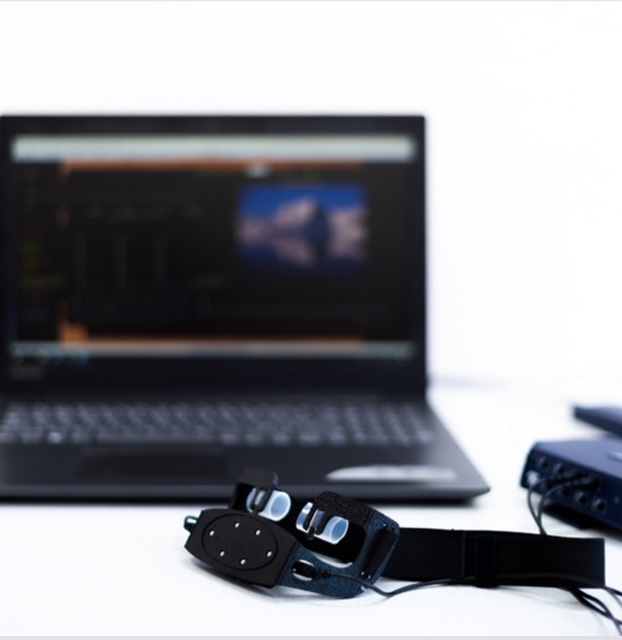
Standardized scales and follow-up qEEGs confirm neurological change behind symptom relief.

Parents are guided every step — education, scheduling support, and shared decisions.
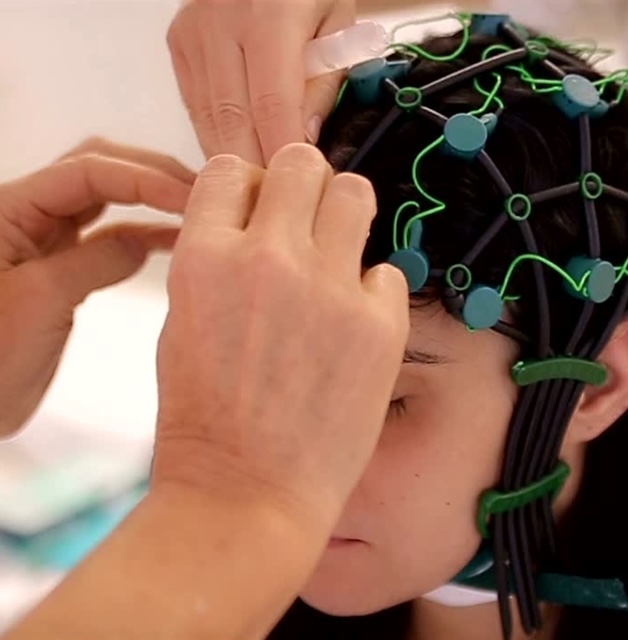
Brain-mapped support for sensory regulation, communication, and behavior.
Explore Autism TreatmentTarget the attention and executive networks driving focus difficulties.
Explore ADHD TreatmentFDA-cleared for treatment-resistant depression — personalized to your brain.
Explore Depression TreatmentCalm the hyperarousal patterns that drive worry, panic, and avoidance.
Explore Anxiety TreatmentAddress the neurological signature of trauma with non-invasive care.
Explore PTSD TreatmentImprove sustained attention, task initiation, and cognitive endurance.
Explore Focus & Attention TreatmentFocused intake covering history, goals, and family priorities.
Non-invasive 20-minute qEEG recording at 19 standard sites.
Findings compared to age-matched norms and clinically interpreted.
Written, personalized protocol with measurable goals.
Comfortable, drug-free sessions guided by your brain map.
Standardized scales at structured milestones.
Re-mapped qEEG confirms change at the neurological level.
Every family deserves care that is personalized, transparent, and grounded in real data — not guesswork.
Every protocol is built from your unique brain map, not a generic template.
Treatment targets the specific patterns driving symptoms — precision over assumption.
We verify benefits, explain coverage, and provide a written summary before your first visit.
Standardized scales and follow-up brain maps let you see change as it happens.
Parents are partners in every decision — education, scheduling support, and shared planning.
TMS is FDA-cleared and is covered by most major commercial insurance plans for qualifying diagnoses — most commonly major depressive disorder that hasn't fully responded to medication. We verify benefits, handle prior authorization, and explain your coverage in plain language before treatment begins.
BlueCross BlueShield of Illinois, Aetna, Cigna, UnitedHealthcare, Humana, Magellan, Optum, and most regional plans. Specific coverage and copay vary by individual policy and diagnosis.
Most insurers require documentation of prior medication trials before authorizing TMS for depression. Our billing team gathers that documentation, submits authorization, and follows up with the carrier — so you don't have to.
Before your first session you receive a plain-language summary of your coverage, copay, deductible status, and any out-of-pocket responsibility. No surprises mid-treatment.
For indications outside standard insurance coverage — or for families who prefer to bypass insurance entirely — we offer transparent private-pay pricing reviewed before any commitment.
Our Lombard, IL office is centrally located in DuPage County and serves families across the western suburbs seeking FDA-cleared, brain-mapped TMS therapy.
Transcranial Magnetic Stimulation is a non-invasive, FDA-cleared treatment that uses gentle magnetic pulses to regulate brain regions involved in mood, attention, anxiety, and more. No medication, no sedation, no recovery time. You remain fully awake and alert during every session and can drive yourself home immediately afterward.
Standard TMS uses fixed protocols. MeRT-style and qEEG-guided TMS personalize coil placement and frequency based on your unique brain map, targeting the regions actually driving your symptoms rather than the average patient.
TMS for depression is covered by BlueCross BlueShield, UnitedHealthcare, Aetna, Cigna, Humana, and most major insurers when criteria are met — typically a documented major depressive episode that hasn't fully responded to medication. Our team verifies benefits, handles prior authorization, and provides a written summary within one business day.
A typical TMS course runs 4–6 weeks with sessions Monday through Friday. Each session is 20–40 minutes depending on protocol. Most patients build the visit into a lunch break or before-work routine and drive themselves home after every session.
You'll sit in a comfortable reclined chair while a small coil is positioned against your scalp. You'll feel a tapping sensation and hear a clicking sound during stimulation. Most patients read, listen to music, or watch a show during the session. There is no anesthesia, no IV, and no downtime.
A qEEG visualizes electrical activity across 19 brain regions and multiple frequency bands, comparing your activity to age-matched norms. It reveals the over- and under-active patterns connected to symptoms like depression, anxiety, focus difficulties, and emotional dysregulation — so TMS targets the regions actually involved rather than a generic template.
TMS is well tolerated. The most common side effects are mild scalp discomfort or a brief tension-type headache during the first few sessions, both of which typically resolve quickly. Unlike many psychiatric medications, TMS does not cause weight gain, sexual side effects, sedation, or cognitive dulling.
TMS has FDA clearance for adolescent depression (ages 15+) and is considered a safe, non-invasive option for qualifying teens whose symptoms haven't responded to therapy and/or medication. Pediatric protocols are reviewed by our physician with caregivers involved at every step.
Usually no. Most patients continue their current medications during TMS. Any adjustments are made in coordination with your prescribing provider, not unilaterally.
We re-measure throughout treatment. If midpoint scales and qEEG don't show movement, your physician will adjust the protocol or discuss alternatives. You're not locked into a plan that isn't working.
Yes. Our Lombard, IL office serves families across DuPage County and the western Chicago suburbs — Naperville, Elmhurst, Glen Ellyn, Oak Brook, Downers Grove, Hinsdale, Wheaton, Villa Park, Addison, Carol Stream, and Westmont.
Free insurance verification. Written benefits summary within one business day.