Attention Networks
Frontal-network rhythms tied to focus, organization, and impulse control.
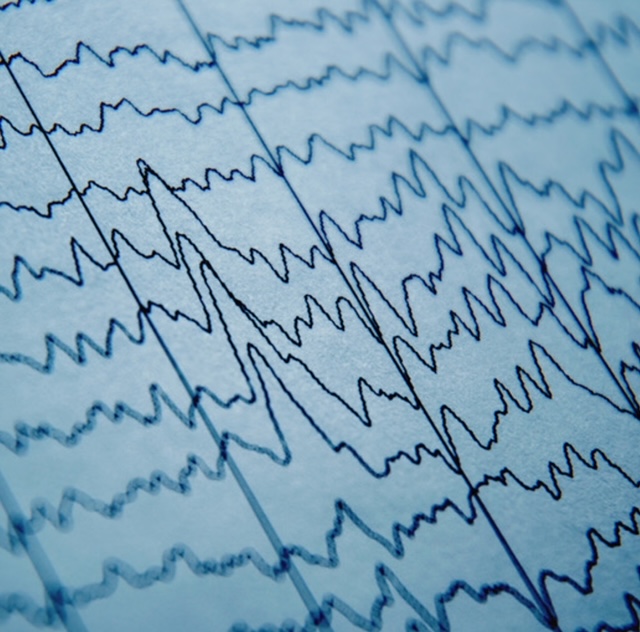
qEEG Brain Mapping measures the brain's electrical activity and transforms it into a visual map, helping identify patterns that may contribute to challenges with focus, emotional regulation, anxiety, depression, autism, PTSD, concussion recovery, and more.
Five simple steps, from cap to clarity.
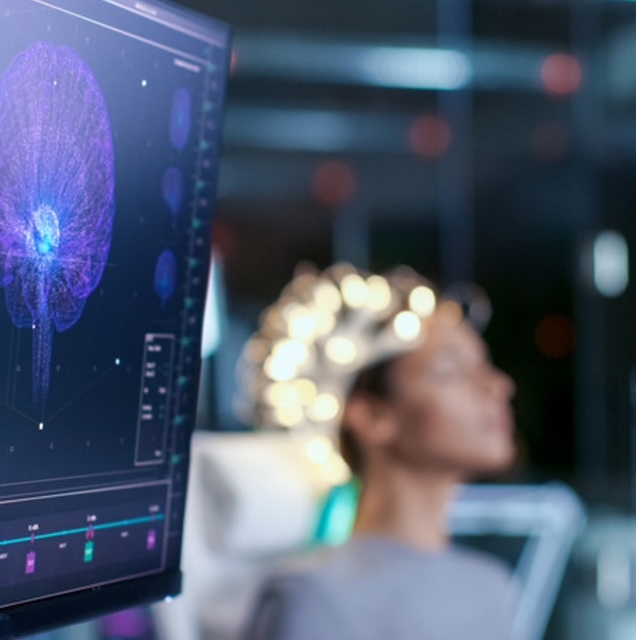
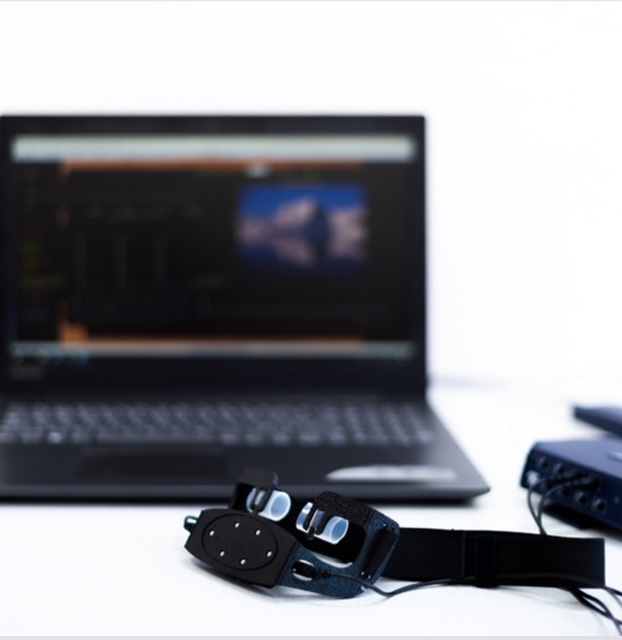
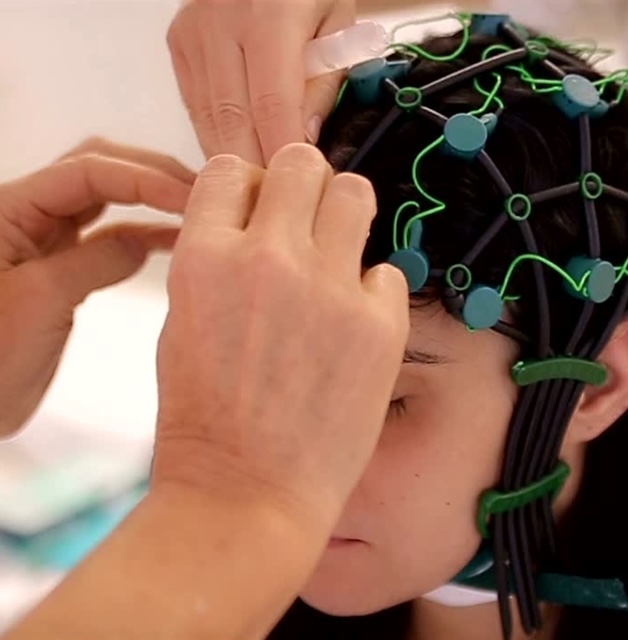
A soft, comfortable sensor cap is placed on the scalp — no needles, no radiation.
20–30 minutes of eyes-open and eyes-closed recording captures live brainwave patterns.
Your recording is compared to age-matched norms by our clinical team.
Color-coded heat maps reveal which networks are over-active, under-active, or out of sync.
Findings inform a personalized treatment strategy — not a generic protocol.
qEEG reports include several views — each one tells a different part of the story.
Frontal-network rhythms tied to focus, organization, and impulse control.
Prefrontal-limbic balance involved in mood and self-control.
High-beta activity associated with worry and hyperarousal.
Frontal asymmetry patterns linked to low mood and motivation.
Rhythms involved in falling asleep, staying asleep, and restoration.
Dysregulation tied to hypervigilance and flashbacks.
Slowing and connectivity changes left behind by TBI.
Connectivity and sensory-processing differences across regions.
qEEG turns assumptions into a visual baseline — and recovery into something you can actually see.
A calm, in-office qEEG recording — about an hour total.
Findings reviewed by our physician and clinical team.
A plain-language written report with the actual brain map images.
Personalized next steps — treatment options or no-obligation guidance.
Symptom scales and check-ins track change across treatment.
Repeat qEEG confirms neurological change — visible side by side.
Plan on about an hour at the office. The actual recording is 20–30 minutes (eyes open and eyes closed), plus a short setup. We schedule extra time for younger or anxious children so the experience feels calm and unhurried.
Not at all. The qEEG is completely passive — nothing is sent into the brain. We use a soft, water-conducting cap that simply listens to the electrical activity already present. There are no needles, no radiation, no medication, and no discomfort.
Many BCBS, UnitedHealthcare, Aetna, and Cigna plans reimburse qEEG when clinically indicated. Coverage depends on the diagnosis code and the plan. Our team verifies benefits and returns a written summary within one business day.
Children, adolescents, and adults can all complete qEEG. We commonly map children as young as 4 and have experience working with patients across the lifespan.
A clinical EEG is read visually, primarily to screen for seizure activity. A qEEG is quantitatively analyzed and compared to age-matched normative databases to identify subtle patterns associated with focus, mood, sleep, and other regulation challenges.
Brain mapping identifies the specific patterns driving symptoms — so treatment planning targets the actual dysregulation rather than relying on a generic, one-size-fits-all protocol.

Free insurance verification. Written benefits summary within one business day.