
Understanding the Temporal Lobe: Its Role in c Language, Memory, and Autism
The human brain is a complex and intricate organ, with different regions playing specialized roles in our daily lives. Among these, the temporal lobe is particularly important, as it governs critical functions like…
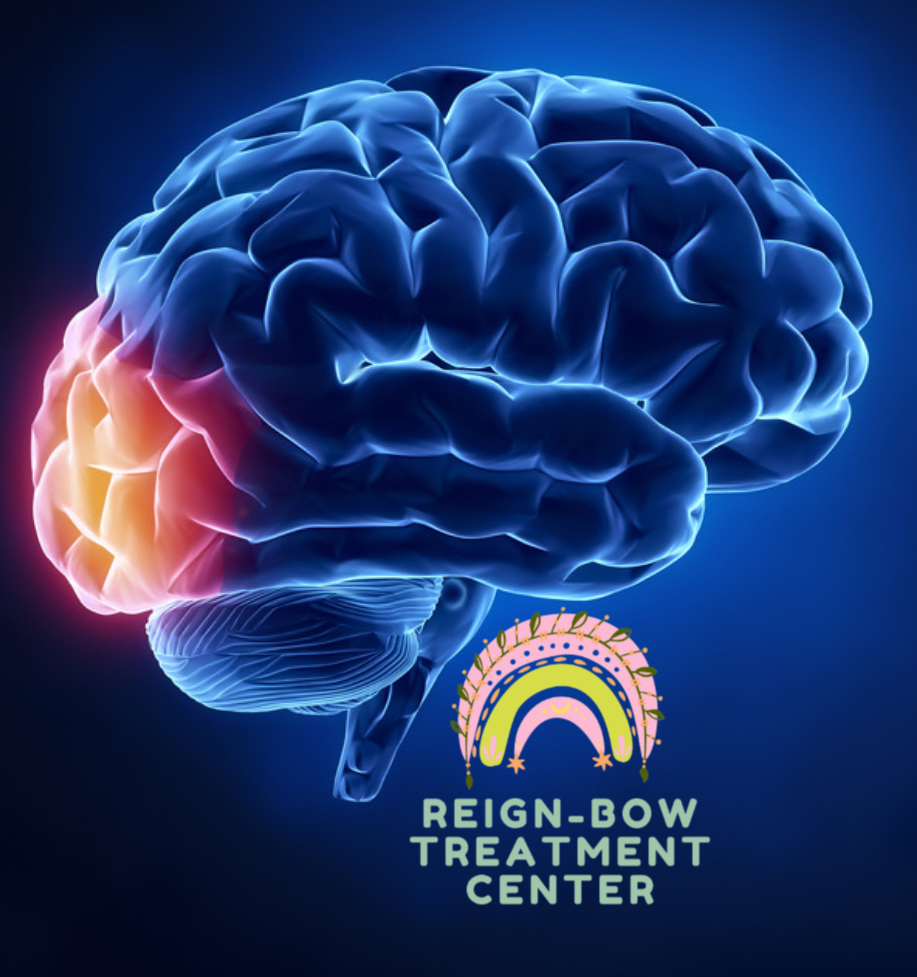
The human brain is a complex and intricate organ, with different regions playing specialized roles in our daily lives. Among these, the temporal lobe is particularly important, as it governs critical functions like language, memory, and emotion. Understanding the temporal lobe’s role, especially in the context of Autism Spectrum Disorder (ASD), can provide valuable insights into how this region impacts behavior and cognitive abilities. In this blog post, we’ll explore the functions of the temporal lobe and its connection to autism, offering a glimpse into how neurological variations in this area may contribute to the challenges faced by individuals with ASD.
What is the Temporal Lobe?
The temporal lobe is one of the four major lobes of the brain, located on the sides of the brain near the temples. It is primarily responsible for processing auditory information, language comprehension, and the formation of long-term memories. This region also plays a key role in interpreting emotions and social cues, making it crucial for effective communication and interaction with others.
Key Functions of the Temporal Lobe
1. Language Processing: The temporal lobe houses the Wernicke’s area, which is essential for understanding spoken and written language. Damage or dysfunction in this area can lead to difficulties in language comprehension, a common challenge among individuals with autism.
2. Memory Formation: The temporal lobe, particularly the hippocampus, is involved in the creation and retrieval of long-term memories. This includes both declarative memories (facts and events) and procedural memories (skills and habits).
3. Auditory Processing: This lobe is crucial for interpreting sounds and speech, allowing us to understand and respond to auditory stimuli. In individuals with autism, differences in how the temporal lobe processes sounds can contribute to sensory sensitivities and communication difficulties.
4. Emotional and Social Cues: The temporal lobe also interacts with the amygdala to process emotions and recognize social cues. This interaction is vital for forming appropriate social responses and understanding the emotions of others, areas where individuals with autism often struggle.
The Connection Between the Temporal Lobe and Autism
Research has shown that the temporal lobe is one of the brain regions most affected by autism. Structural and functional differences in this area have been linked to the characteristic symptoms of ASD, such as challenges with language, memory, and social interactions.
1. Language Delays and Impairments: Many individuals with autism experience delays in language development or struggle with understanding and producing speech. Studies suggest that these challenges may be due to differences in how the temporal lobe processes language-related information.
2. Memory and Learning: While some individuals with autism exhibit exceptional memory skills, others may have difficulty with memory retention and retrieval. These variations may be related to differences in the hippocampal region of the temporal lobe, which plays a key role in memory formation.
3. Sensory Processing: Many individuals with autism have heightened sensitivities to sensory input, including sounds. The temporal lobe’s role in auditory processing may contribute to these sensory differences, leading to discomfort or overstimulation in noisy environments.
4. Social Interaction Difficulties: The temporal lobe’s involvement in processing social cues and emotions is critical for successful social interactions. Variations in this region may contribute to the challenges individuals with autism face in recognizing and responding to social signals.
Conclusion
The temporal lobe plays a vital role in many of the functions that are often disrupted in autism, including language, memory, and social interaction. By gaining a deeper understanding of how this brain region operates and how it differs in individuals with autism, we can develop more effective treatments and support strategies. As research continues to uncover the complexities of the temporal lobe and its connection to autism, we move closer to providing better care and improving the quality of life for those affected by this condition.

A deeper look at autism and what families ask us about understanding the temporal lobe: its role in c language, memory, and autism
Families across Lombard, Naperville, Oak Brook, Wheaton, Hinsdale, Elmhurst, Glen Ellyn, Downers Grove, and Oak Park come to Reign-Bow Brain Treatment Center because they want a clearer answer to a hard question: why is my child (or why am I) struggling, and what can actually change it? The article above gives the short answer. This section gives the longer one — the clinical context, the questions parents most often ask in our intake calls, and how a personalized, brain-based plan is built around what the qEEG reveals about autism.
Why a brain-first approach matters for autism
Behavior is the surface; the brain is the system underneath. Two people with the same diagnosis can have very different sensory profiles, sleep architecture, attention systems, and emotional regulation circuits. Programs built on a diagnosis alone treat the average patient — not the person in front of you. A quantitative EEG (qEEG) records electrical activity across 19 scalp sensors and compares each region to age-matched normative data. The result is a map of where networks are over-active, under-active, or out of sync. That map is the foundation our clinicians use to design every plan for autism.
What the qEEG actually reveals about autism
In autism, qEEG findings frequently point to patterns in delta and theta slowing, elevated frontal high-beta linked to anxiety and overload, alpha asymmetry tied to mood, and reduced coherence in the networks that govern executive function and social cognition. These findings do not diagnose autism on their own — diagnoses come from full clinical evaluation. They do give the clinical team specific neurological targets to address with personalized TMS protocols, neurofeedback, and structured parent coaching. That is why we never start treatment without a brain map.
How personalized TMS differs from standard TMS
Standard TMS uses fixed coordinates derived from the average brain. Personalized TMS uses your qEEG and structural landmarks to target the specific region of your network that is out of balance — the frequency, the duration, and the protocol are all built from your data. For families exploring personalized brain-stimulation programs, this is the single biggest reason outcomes vary so widely between clinics. A protocol matched to the brain map will almost always outperform a generic one.
What a typical evaluation and treatment week looks like
New families typically begin with a brief intake call, a qEEG evaluation, and a personalized plan review with our clinical team. When TMS is indicated, a standard course runs roughly five sessions per week for four to six weeks. Each session lasts 20–40 minutes with no sedation, no needles, and no recovery time. Progress is tracked with weekly clinician check-ins, validated parent-report scales, and a repeat qEEG at the end of the course so families can see — not guess — what changed in the brain.
How qEEG-guided care fits with the supports you already have
Brain-based care does not replace ABA, speech, occupational therapy, school IEPs, or your existing medical team. It gives every member of that team a shared map of the underlying neurology, so the speech therapist, the OT, the BCBA, the school psychologist, and the parents can coordinate around the same picture instead of working in isolation. Families consistently tell us that this coordination — more than any single intervention — is what unlocks the first visible gains in the first three to six months.
Frequently asked questions during intake
Parents in our area most often ask: Will my child need medication forever? Why does sleep fall apart during transitions? Why does homework take three hours? Why do meltdowns escalate after school? What does insurance cover? These questions all map to specific regulatory systems in the brain. The Reign-Bow team answers every one of them in plain language, with reference to your child's actual qEEG findings — never with generic talking points.
Where to read more on Reign-Bow
Continue exploring related topics: autism brain mapping, autism treatment program, qEEG for autism, TMS for autism, autism sleep challenges, autism emotional regulation, autism executive function, MeRT alternative, and our full clinical blog. To start the process, visit our contact page or verify your insurance.
How this fits into Reign-Bow's brain-based care model
At Reign-Bow Brain Treatment Center, every plan starts with a qEEG brain map — a non-invasive recording of brainwave activity compared to age-matched normative databases. That map is what allows our clinicians to design personalized brain-stimulation protocols instead of one-size-fits-all care. Families across Lombard, Naperville, Oak Brook, Wheaton, Hinsdale, Elmhurst, Glen Ellyn, and Downers Grove choose this approach because it converts vague symptoms into specific neurological targets.
For families exploring autism brain mapping, our autism treatment program integrates qEEG findings with individualized TMS therapy protocols and parent coaching. Patients seeking care for depression, anxiety, ADHD, PTSD, or TBI follow the same brain-first pathway.
Every article on this site is reviewed by the Reign-Bow clinical team — licensed clinicians, qEEG technologists, and TMS specialists with direct experience treating children, teens, and adults. We update our content as new research, FDA clearances, and clinical guidelines emerge. For care questions, please contact our Lombard office or verify your insurance.
Medical references & further reading
- National Institute of Mental Health — Autism Spectrum Disorder
- NIMH — Brain Stimulation Therapies (TMS overview)
- American Academy of Pediatrics
- U.S. FDA — Transcranial Magnetic Stimulation
- NINDS — Autism Spectrum Disorder
- PubMed — qEEG and autism research
Educational content only. Not a substitute for individualized medical evaluation. Always consult a qualified clinician.
Frequently asked questions
- What does this article cover about Understanding the Temporal Lobe: Its Role in c Language, Memory, and Autism?
- This article from the Reign-Bow Brain Treatment Center clinical team explains how brain mapping (qeeg) relates to brain function, what families in Lombard and the Chicago area should know, and how qEEG brain mapping can guide personalized treatment.
- What is qEEG brain mapping?
- Quantitative EEG (qEEG) is a non-invasive recording of brainwave activity that is compared to age-matched normative databases. It is used to identify patterns linked to attention, emotional regulation, sleep, sensory processing, and behavior — and to guide individualized care plans.
- Is TMS therapy safe for children, teens, and adults?
- Transcranial Magnetic Stimulation (TMS) is FDA-cleared for depression and is widely used in personalized brain-stimulation protocols. It is non-invasive, drug-free, and well-tolerated. Each patient at Reign-Bow is evaluated individually before any treatment begins.
- Do you treat patients outside of Lombard?
- Yes. Reign-Bow Brain Treatment Center serves families across DuPage County and the western Chicago suburbs, including Naperville, Oak Brook, Wheaton, Hinsdale, Elmhurst, Glen Ellyn, Downers Grove, and Oak Park.
- Does insurance cover qEEG or TMS therapy?
- Coverage varies by plan and indication. Our team verifies benefits in advance and walks families through every cost option. Use our insurance verification page to start the process.
- How do I schedule a consultation?
- Visit the contact page or call our Lombard office. New families typically start with a brief intake call, a qEEG evaluation, and a personalized brain-based treatment plan.
Originally published on the Reign-Bow Treatment Center blog.
View originalRelated articles
All articles → Brain Mapping (qEEG)Parent Resources
What Is qEEG? Explained for Parents
qEEG is a non-invasive brain assessment that measures electrical activity and compares it to age-matched norms. Here's what parents in Lombard, IL should know.
- AutismTMS Therapy
Can TMS Help Autism? Evidence and Considerations
A clear, balanced look at TMS for autism — the evidence base, what families typically notice, FDA status, and what to ask a clinic.
- AutismEmotional Regulation
Autism and Emotional Regulation — The Brain Connection
Meltdowns are a stress response, not defiance. Here's the brain story behind autism emotional regulation — and what helps.
Take the next step
Ready to see what's happening in the brain?
qEEG-guided care for Autism, ADHD, Anxiety, Depression and more — right here in Lombard, IL.